 " class="object-cover object-center">
LIFE INSURANCE
Protect the people you love with life insurance designed to fit your family's needs and budget. SureCare can help you explore options to secure your loved ones' financial future that fit your needs and budget.
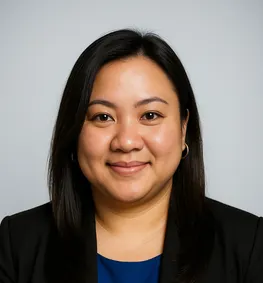
WORK WITH ROCHELLE
Licensed & Serving PA, NJ, NY, OR, and CA
Independent Broker and Owner of SureCare Insurance Services
✔ Independent Broker
✔ No-Cost Consultation
✔ Personalized Guidance
✔ Multiple Carrier Options
✔ Ongoing Support After Enrollment
✔ Serving English and Tagalog-Speaking Communities
✔ Free No Obligation Consultation With A Licensed Broker
WHAT IS LIFE INSURANCE?
Life insurance is a contract with an insurance company that provides financial protection for a specified period. In exchange for regular premium payments, you and your chosen beneficiary are covered throughout the duration of the policy. If you pass away while the policy is active, your beneficiary will receive a cash sum known as the death benefit. This money can be used to cover final expenses, pay off any remaining mortgage balance, or help support your loved ones. Below are common types of life insurance:
TERM INSURANCE
✔ Most affordable option
✔ No cash value accumulation
✔ Coverage for a specific period
✔ Ideal for mortgage protection
Best For:
Young families and budget-conscious individuals
WHOLE LIFE
✔ Fixed premiums
✔ Builds cash value
✔ Lifetime protection
✔ Guaranteed death benefit
Best For:
Long-term planning and legacy goals
FINAL EXPENSE
✔ Simplified underwriting
✔ Smaller coverage amounts
✔ Designed for funeral/burial costs
✔ Reduce financial burden on loved ones
Best For:
Seniors planning for end-of-life expenses
WHY PEOPLE BUY LIFE INSURANCE?
✔ Leave a legacy
✔ Pay off a mortgage
✔ Replace lost income
✔ Cover final expenses
✔ Cover business obligations
✔ Protect children and loved ones
Not Sure Which Option Is Right For You?
We'll review your situation, explain your options, and help compare available plans.
✔ Free No Obligation Consultation With A Licensed Broker
Independent Insurance Broker Serving in PA, NJ, NY, OR, & CA
MEDICARE RESOURCES
This is a solicitation of insurance. Agent is a licensed and certified representative of multiple Medicare Advantage and Prescription Drug plans each with a Medicare contract. Enrollment depends on contract renewal. Contact may be made by an insurance agent or insurance company. Not affiliated with or endorsed by any government entity or agency. "We do not offer every plan available in your area. Currently we represent several organizations which offer many products in your area. Please contact Medicare.gov, 1-800-MEDICARE (TTY: 1-877-486-2048), 24 hours a day, 7 days a week to get information on all your options." This is a proprietary website and is not associated, endorsed or authorized by the Social Security Administration, the Department of Health and Human Services or the Center for Medicare and Medicaid Services. This site contains decision-support content and information about Medicare, services related to Medicare and services for people with Medicare. If you would like to find more information about the Medicare program please visit the Official U.S. Government Site for People with Medicare located at http://www.medicare.gov